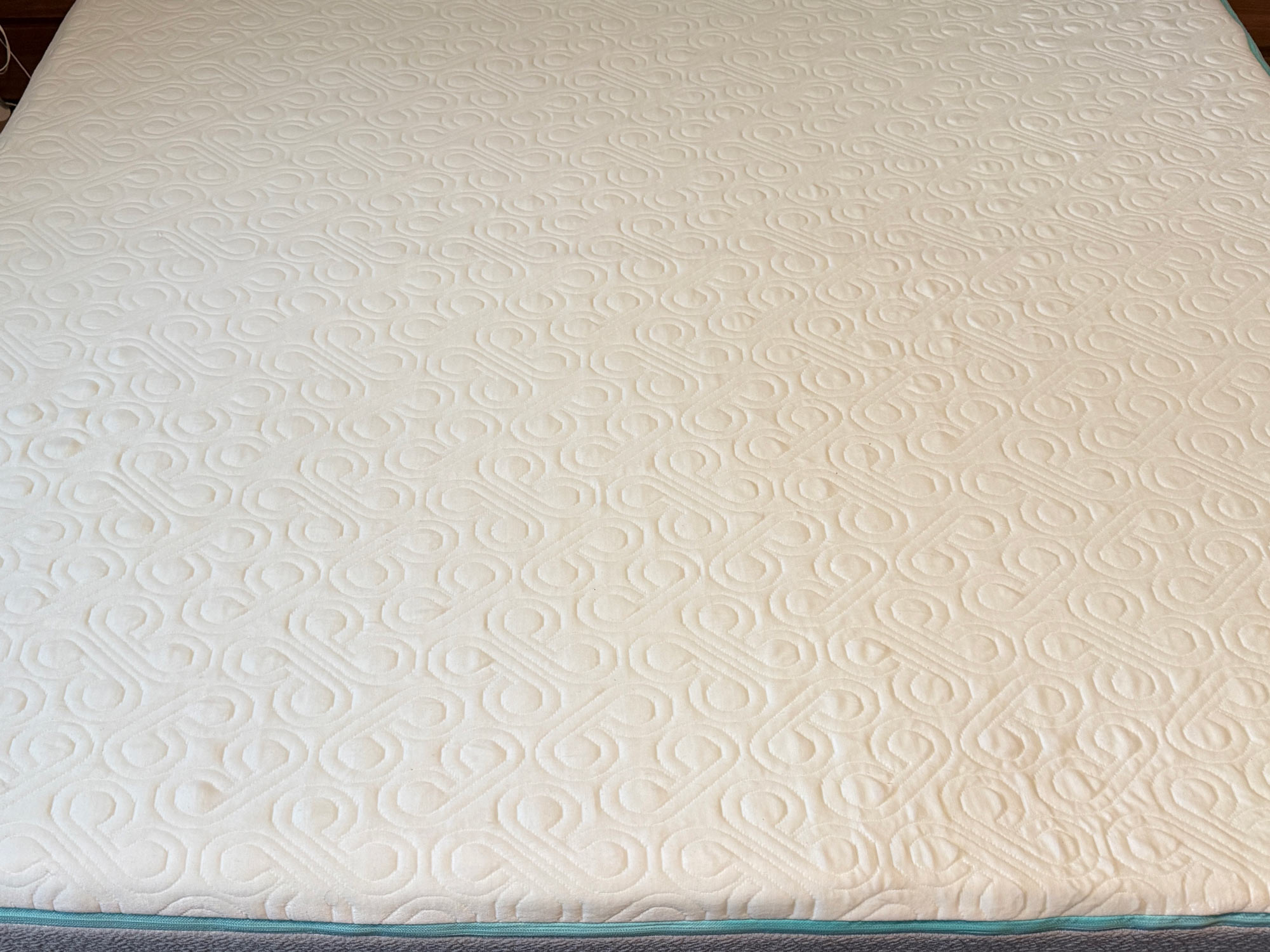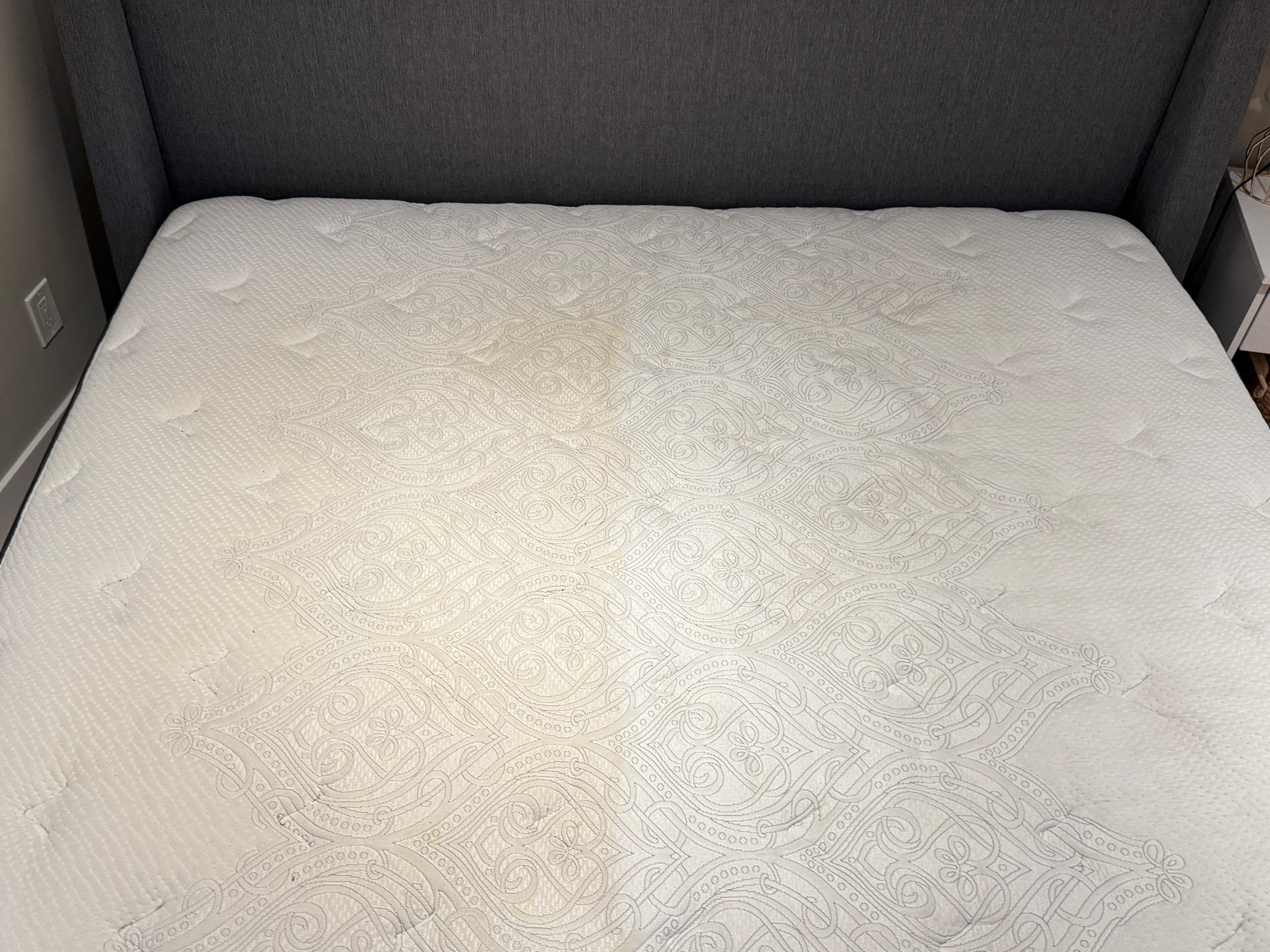
Your mattress collects what you can’t see. Every night, dead skin cells, body oils, and moisture soak into the fabric, creating the ideal environment for dust mites, bacteria, and mould spores. The average mattress doubles in weight over ten years — most of that gain is accumulated debris trapped inside the padding and fibre layers.
Regular vacuuming only reaches the surface. Our hot water extraction system penetrates deep into mattress layers, flushing out allergens, stains, and odour-causing bacteria that home methods leave behind. Combined with Health Canada-approved sanitising solutions, we return your mattress to a genuinely clean, hygienic state — not just a fresh-smelling one.
We respond to inquiries within 5–10 minutes. During our call or WhatsApp chat, we discuss your mattress type, size, specific concerns (stains, odours, allergies, bed bugs), and any sensitivities. You receive a transparent, fixed quote before we arrive - no surprises.
Through phone discussion or WhatsApp photos, we identify stains, odours, and mattress conditions. Our team evaluates the mattress fabric, filling type, and the severity of any contamination. This ensures accurate service planning and transparent pricing before we arrive.
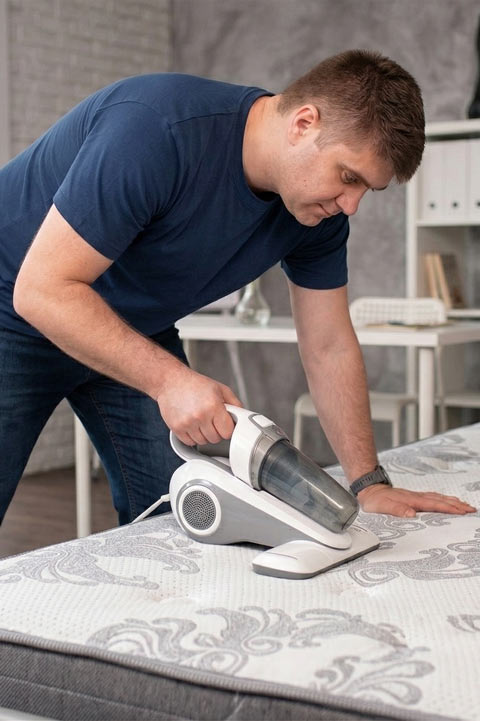
We begin with industrial-grade vacuuming using a HEPA-filtered machine to remove surface dust, dead skin cells, pet hair, and loose debris from both sides and seams of the mattress. This critical step prevents dry particles from turning to mud during wet treatment and immediately reduces the allergen load.
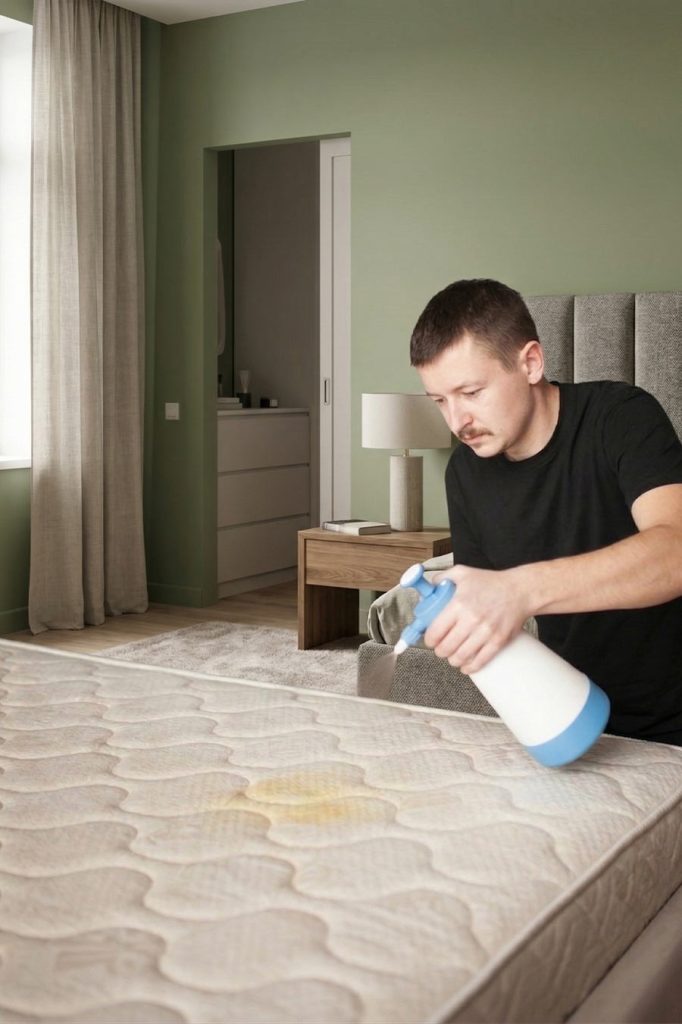
Using targeted, fabric-safe solutions, we pre-treat visible stains - sweat rings, urine, blood, food spills - and neutralise embedded odours at their source. Each stain type gets a specific chemistry: enzyme-based for biological stains, oxidising agents for discolouration, acid rinses for mineral buildup.
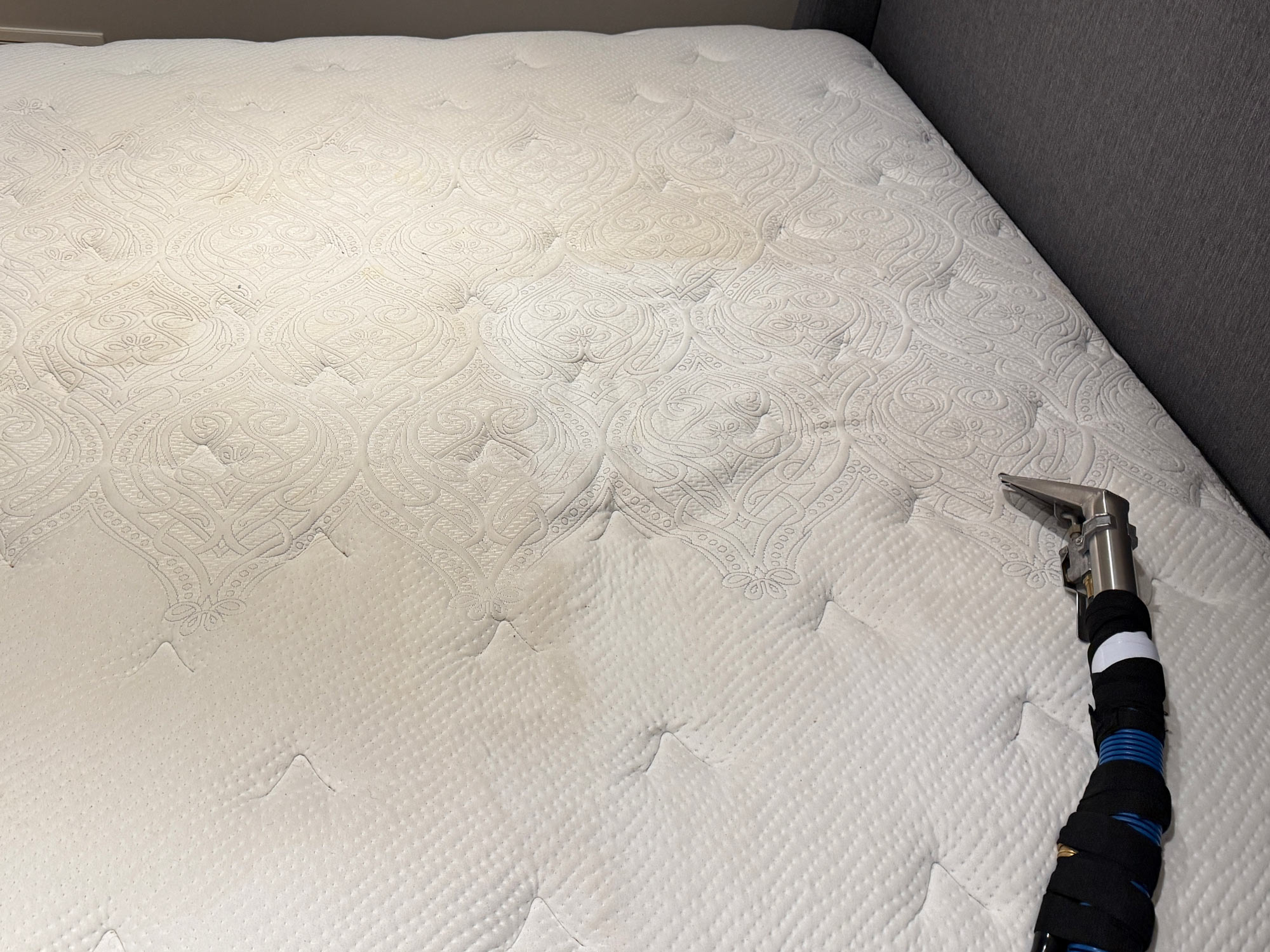
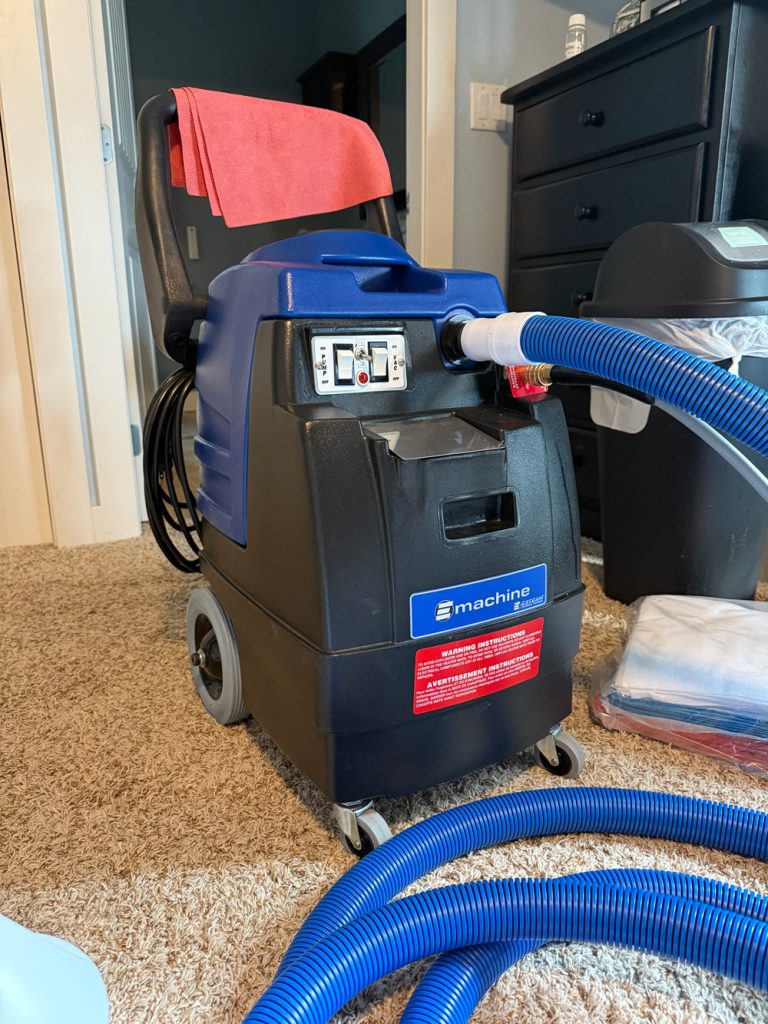
We perform thorough hot water extraction that penetrates deep into mattress layers, lifting embedded soil, body oils, and cleaning solution from the filling. Our powerful equipment removes maximum moisture while sanitising the fabric - killing bacteria, dust mites, and allergens for a healthier sleep surface.
We position commercial air movers to accelerate drying safely. Most mattresses are ready to sleep on the same evening, depending on thickness and humidity. Before leaving, we conduct a final inspection to confirm stain removal, even drying, and overall cleanliness.
Traditional coil mattresses including Bonnell, pocket coil, and continuous coil designs - the most common type in Kelowna bedrooms and rental suites.
Solid memory foam and gel-infused foam mattresses - cleaned with controlled moisture to avoid oversaturation of the foam core.
Combination mattresses with foam comfort layers over a coil support base - each layer addressed with the appropriate cleaning method.
Extra-padded mattresses with plush upper layers that trap more body soil, dust mites, and moisture than standard designs.
Toddler beds, crib mattresses, and youth mattresses - cleaned with child-safe, fragrance-free solutions and extra attention to hygiene.
Vacation rental, hotel, and guest bedroom mattresses that see frequent turnover - professional cleaning between guests keeps reviews high and health standards met.
A mattress is not like any other item in your home. It absorbs moisture from below and above — body heat, perspiration, humidity from the room — and has no airflow through its core. This creates a sealed environment where contaminants accumulate layer by layer, month after month, with nowhere to go.
The cleaning protocol has to account for this. You cannot simply flush a mattress with water and extract it the same way you would treat an open-fibre surface. Mattress padding — whether memory foam, latex, or innerspring batting — retains moisture differently. Oversaturation is the single biggest risk: too much water driven into the core can cause mould growth inside the mattress within 48 hours, creating a problem worse than the one you started with.
That is why our approach centres on controlled moisture. We use a calibrated extraction system that delivers just enough solution to break down contaminants in each layer without pushing excess liquid into the filling. Every pass is immediately followed by high-suction extraction, pulling dissolved soil and moisture back out before it migrates deeper.
The chemistry is specific, too. Mattresses present a unique combination of biological contamination — sweat salts, skin oils, urine proteins, blood — that you rarely encounter at this concentration on any other household surface. Each requires its own treatment path:
The drying protocol matters as much as the cleaning. A mattress cannot be flipped on its side and left next to an open window. The filling is too dense, and the moisture path is too long. We position commercial air movers at specific angles to create airflow across and through the mattress surface, accelerating evaporation without trapping humidity inside. In most cases, the mattress is dry and ready to sleep on the same evening.
Okanagan conditions add a local factor. Kelowna’s dry summers and significant temperature swings between day and night create condensation cycles inside mattresses, especially those near windows or on upper floors. This accelerates dust mite reproduction and can initiate mould growth in mattresses that appear perfectly clean on the surface. Annual professional cleaning is particularly important in this climate — not as a luxury, but as maintenance that protects both the mattress and the people sleeping on it.
Professional mattress cleaning follows a four-stage process. First, we perform a thorough dry extraction using a HEPA-filtered vacuum to remove dust, dead skin cells, and loose debris from both surfaces and seams. This step alone pulls out a surprising amount of material that regular household vacuuming misses.
Next, we pre-treat any visible stains with targeted solutions matched to the stain type — enzyme-based for biological stains, oxidising agents for discolouration, degreasers for sweat and body oil buildup. Each chemistry is chosen specifically for the contamination present; using the wrong product can set a stain permanently.
The third stage is hot water extraction. Our machine delivers a controlled amount of cleaning solution into the mattress layers and immediately extracts it at high suction, pulling dissolved soil and moisture back out before it can migrate deeper into the filling. This is the critical difference from DIY methods — controlled moisture prevents oversaturation, which is the single biggest risk when cleaning a mattress.
Finally, we position commercial air movers to accelerate drying. Most mattresses are ready to sleep on the same evening.
Baking soda, vinegar, and household sprays only address the top layer. The crystals deeper in the filling remain untouched. We use enzyme-based solutions that penetrate to where the uric acid crystals have formed and break them down at the molecular level. This eliminates the odour at its source rather than masking it.
For fresh accidents, the best thing you can do before we arrive is blot — not scrub — with a cold, damp cloth, and avoid applying heat or hot water. The sooner the mattress is professionally treated, the simpler and more complete the result.
Old stains are harder than fresh ones, but most are still removable with the right chemistry and enough patience. The key is identifying what caused the stain, because each type requires a different treatment path.
Sweat rings and yellowing respond to oxidising agents that break down the protein-and-oil residue bonded into the fabric. Blood stains require cold-process hydrogen peroxide — never hot water, which permanently sets blood proteins into fibres. Coffee and tea stains need an acid-based rinse to counteract tannin bonding. Urine stains need enzyme treatment to reach crystallised deposits inside the filling.
What makes old stains more challenging is that many have been “set” by previous DIY attempts — hot water, scrubbing, or the wrong cleaning product can change the stain’s chemistry and bond it more deeply. In these cases, we work through multiple treatment-and-extraction cycles, checking progress at each stage. Most stains come out fully; in rare cases where the fabric dye has been permanently altered, we will tell you upfront what to expect.
For most households, once a year is a good baseline. That is enough to remove the accumulated dust mites, body oils, sweat salts, and dead skin cells that build up over twelve months of nightly use, even with regular sheet changes.
If any of the following apply, every six months is a better interval: you have allergies or asthma, young children sleep on the mattress, pets share the bed, someone in the household perspires heavily, or the mattress is in a guest room or Airbnb that sees frequent turnover.
Kelowna’s climate is also a factor. The significant temperature swings between day and night — particularly in summer — create condensation cycles inside mattresses, especially those near windows. This moisture accelerates dust mite reproduction and can initiate mould growth in a mattress that looks perfectly clean on the surface. Annual cleaning is not a luxury here; it is maintenance that protects both the mattress and the sleeper.
With our commercial air movers positioned correctly, most mattresses are dry and ready to sleep on the same evening — typically within 4–6 hours, depending on mattress thickness, filling type, and room humidity.
Memory foam mattresses take slightly longer than innerspring models because foam retains moisture more stubbornly. We adjust both our extraction pressure and the drying setup to account for this. In all cases, we use controlled moisture during cleaning specifically to minimise dry time — oversaturation is the main reason some DIY-cleaned mattresses take days to dry and develop musty smells.
If you are cleaning a mattress in a guest room or rental unit and need it ready for same-day use, let us know when booking and we can schedule the job for the morning to maximise drying time.
A quality mattress costs anywhere from $800 to $3,000 or more. Professional cleaning starts at $79 and adds years of healthy use to a mattress that is structurally sound but hygienically compromised. In most cases, cleaning is the better investment — especially if the mattress still feels comfortable and supportive.
Replacement makes more sense when the mattress has visible sagging, broken springs, or permanent structural damage. But discolouration, odours, stains, and allergen buildup are cleaning problems, not replacement problems. We see mattresses regularly that owners were ready to throw out, only to find that a single professional cleaning restored them completely.
If you are unsure whether your mattress is worth cleaning, send us a photo via WhatsApp and we will give you an honest assessment before you book anything.